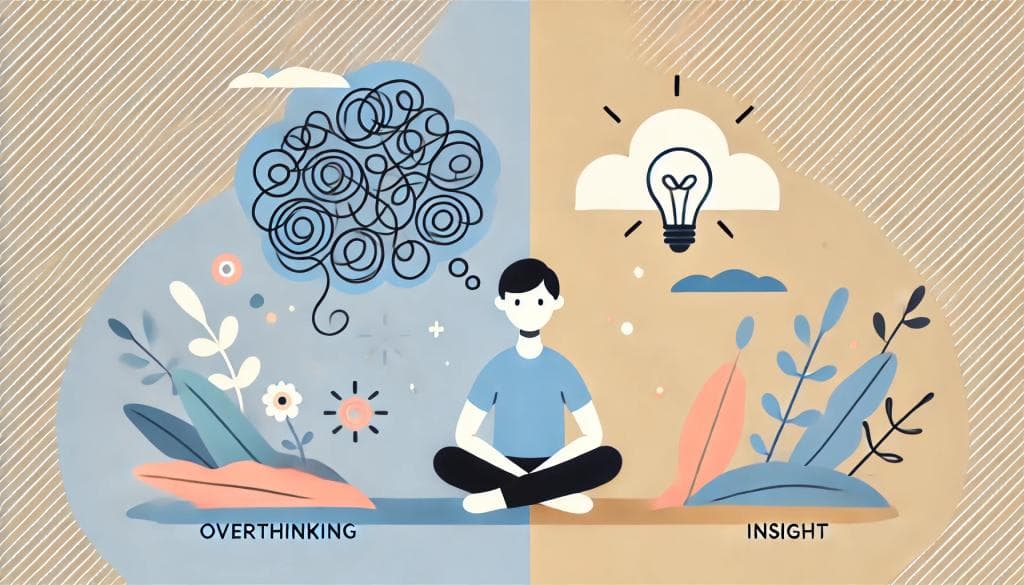
Overthinking and Mental Health: How to Break the Cycle and Find Peace of Mind
Overthinking can leave you feeling mentally exhausted, anxious, and unable to enjoy the present moment. Learn how overthinking affects mental health, recognize its warning signs, and discover practical strategies to regain control with professional support from TalkMedX.
Have you ever found yourself replaying the same conversation repeatedly, worrying about situations that haven't happened, or struggling to switch off your thoughts before bedtime? This pattern is known as overthinking, and while it may seem harmless at first, persistent overthinking can significantly affect your mental health. It often leads to increased stress, emotional exhaustion, difficulty making decisions, and reduced overall well-being.
At TalkMedX, we understand how overwhelming repetitive thoughts can become. Our experienced therapists provide compassionate support through Online Therapy, helping individuals identify unhealthy thinking patterns, build emotional resilience, and develop healthier coping strategies. With timely intervention, it is possible to break free from the cycle of overthinking and enjoy a calmer, more balanced life.
What is Overthinking?
Overthinking is the habit of repeatedly analyzing situations, conversations, or future possibilities without reaching a productive conclusion. Instead of solving problems, excessive thinking often increases uncertainty and emotional distress. People who overthink may constantly question their decisions, imagine worst-case scenarios, or dwell on past mistakes, making it difficult to focus on the present.
Overthinking is commonly associated with mental health concerns such as Anxiety, Generalized Anxiety Disorder, Depression, Chronic Stress, and Obsessive-Compulsive Disorder (OCD). While occasional worrying is a normal part of life, persistent overthinking that interferes with daily activities should not be ignored.
Common Causes of Overthinking
There is no single cause of overthinking. It often develops from a combination of emotional experiences, personality traits, and life circumstances. High expectations, fear of failure, perfectionism, workplace pressure, relationship conflicts, financial uncertainty, and unresolved trauma are some of the most common triggers. Major life transitions can also increase repetitive thinking as people try to predict every possible outcome.
At TalkMedX, our specialists help individuals understand the root causes behind excessive thinking. Whether overthinking is connected to Workplace Stress, Relationship Concerns, Low Self-Esteem, Burnout, or emotional trauma requiring Trauma Therapy, professional counselling can help identify triggers and replace unhelpful thought patterns with healthier perspectives.
Through personalized Adult Therapy, individuals learn practical techniques to manage intrusive thoughts, improve emotional regulation, and regain confidence in everyday decision-making.
How Overthinking Affects Mental Health
Persistent overthinking can gradually affect every aspect of your life. When your mind is constantly occupied with worries, self-doubt, or imagined outcomes, it becomes difficult to focus on work, enjoy relationships, or make confident decisions. Many people experience mental fatigue because their brain rarely gets an opportunity to relax, leading to emotional exhaustion and reduced productivity.
Overthinking can also contribute to physical symptoms such as headaches, muscle tension, difficulty sleeping, lack of concentration, and irritability. Left unmanaged, it may increase the risk of developing conditions such as Social Anxiety, Panic Disorder, Sleep Disorders, Low Motivation, and Loneliness. Recognizing these warning signs early allows individuals to seek support before emotional distress becomes overwhelming.
Practical Strategies to Reduce Overthinking
Breaking the cycle of overthinking takes patience and consistent practice. One of the most effective approaches is learning to focus on the present moment instead of trying to predict every possible outcome. Mindfulness exercises, deep breathing techniques, journaling, regular physical activity, healthy sleep habits, and limiting excessive screen time can all help calm an overactive mind. Setting realistic expectations and accepting that not every situation can be controlled also reduces unnecessary mental pressure.
Professional counselling provides additional tools to challenge negative thinking patterns and build healthier emotional habits. At TalkMedX, therapists help individuals strengthen Mindfulness, improve Resilience, develop Self-Improvement strategies, and manage excessive worrying through personalized therapy sessions. Individuals struggling with persistent anxiety may also benefit from specialized Anxiety Therapy Online or dedicated Therapy for Overthinking.
When Should You Seek Professional Help?
If overthinking begins affecting your sleep, work performance, relationships, or overall happiness, seeking professional support is an important step. You can start by taking the General Anxiety Screen, the Stress & Burnout Meter, or the Sleep Quality Check available through TalkMedX. These assessments provide valuable insights into your emotional well-being and help determine whether additional therapeutic support may be beneficial.
Why Choose TalkMedX for Overthinking and Mental Health Support?
At TalkMedX, we believe that no one should have to struggle with overwhelming thoughts alone. Our experienced psychologists and mental health professionals provide personalized, evidence-based therapy that addresses the root causes of overthinking rather than just its symptoms. Every treatment plan is tailored to your unique experiences, helping you develop practical coping strategies, improve emotional regulation, and regain confidence in your daily life.
With secure and confidential Online Counselling in India, you can connect with qualified professionals from anywhere in the country. Whether you are looking for the Best Online Therapists in India, experienced Online Psychologists, or support from the Best Psychiatrists in India, TalkMedX offers compassionate care in a safe, confidential, and supportive environment. Our goal is to help you replace repetitive thinking with healthier habits that promote long-term emotional well-being.
Conclusion
Overthinking may feel like a way to stay prepared or avoid mistakes, but in reality, it often creates unnecessary stress, anxiety, and emotional exhaustion. Learning to recognize unhelpful thought patterns, practicing mindfulness, and seeking professional support can help you break free from the cycle of constant worry. Small, consistent steps toward better mental health can lead to greater peace of mind, stronger relationships, improved productivity, and a more fulfilling life.
If overthinking is affecting your happiness or preventing you from living confidently, don't hesitate to seek help. Explore our comprehensive Mental Health Services, discover expert support for Anxiety and Emotional Well-being, or contact TalkMedX to schedule your first consultation. With the right guidance and professional support, you can quiet your mind, build resilience, and enjoy a healthier, more balanced future.